superfoods-1080x627

Tips For Healthy Skin: 10 Superfoods For Glowing Skin To Make You Look Flawless And Radiant

Skin Superfood: Our skin is a reflection of our health. To get healthy, beautiful & glowing skin, you must include healthy foods in your diet. Know 10 superfoods that will make your skin radiant.

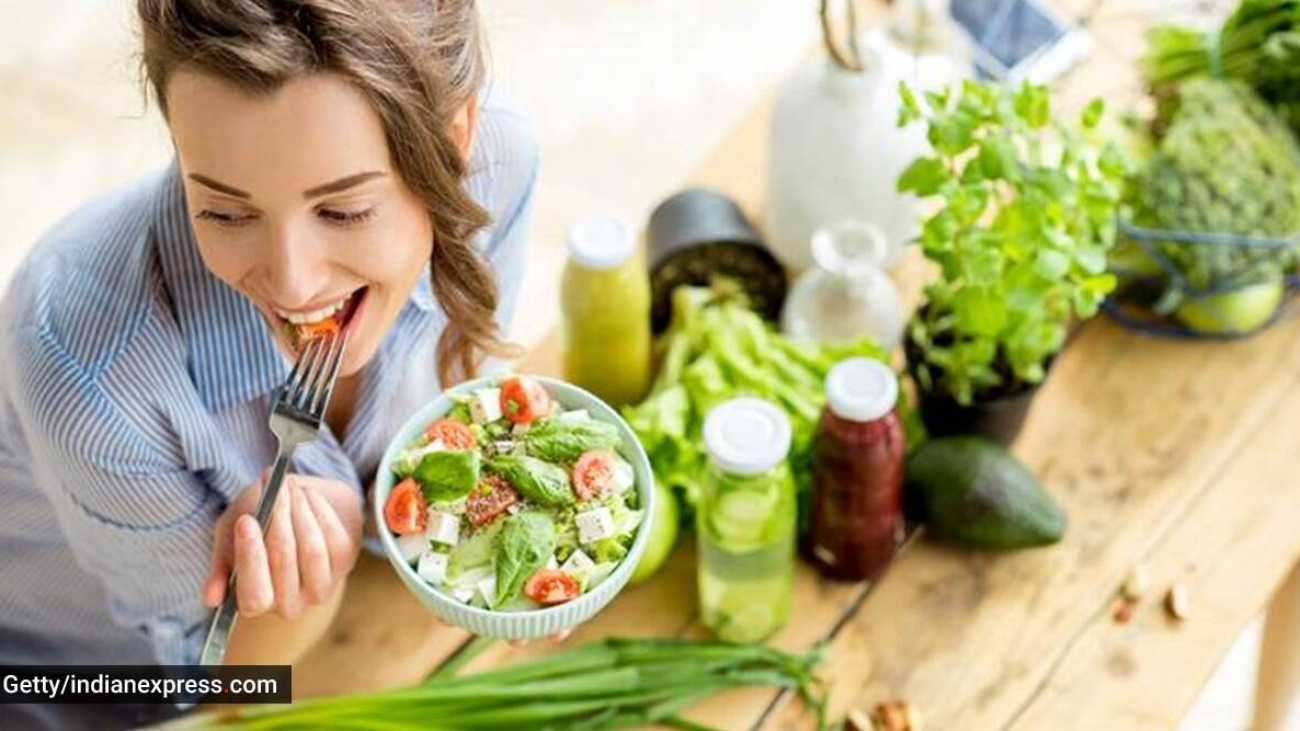
Superfood For Healthy Skin: Who wouldn’t like to look beautiful and young? Especially women are always concerned about their beauty. Everyone wishes to have a spotless skin, free of blemishes and acne. However, it requires proper nourishment of the skin. You must include some superfoods in your diet to keep your skin healthy and young for a longer time. This will keep your skin looking naturally glowing and beautiful. Your diet and lifestyle are the major factors affecting your skin. Let us know the 10 superfoods that can make our skin radiant. 

1- Tomato- Tomatoes are a great option to get healthy and beautiful skin. Including one tomato in your daily diet will give the body a good amount of vitamin A, vitamin C and potassium. Be sure to include tomatoes in the diet for a glowing skin. 

2- Green vegetables- Green vegetables are very beneficial for your health. You must include spinach in your diet. Spinach helps us recover from fatigue, make up for sleep deprivation, relieves the problem of anemia and dark circles. Spinach gives the body a plenty of iron, vitamin K and C. 

3- Nuts and seeds- You must include nuts and seeds in your food for getting a healthy skin. You should include almonds, cashew nuts, raisins and walnuts in your diet. Along with that flax seeds, pumpkin seeds and chia seeds should also be included in your diet. They provide with vitamin E, which maintains the level of moisture in the skin. Helps in keeping skin soft and hydrated. 4- Whole grains- You should also include brown rice and oats in your diet to keep the skin healthy. This helps in reducing hair loss and breakage of hair. Our skin also benefits from it. 

6- Curd and oatmeal- You should also include foods rich in vitamin B in your diet yogurt and oats. Vitamin B is very important to maintain moisture in the skin. You must consume curd for this.

7- Oily fish- Fish is considered to be a good source of Omega 3 fatty acids. Also, walnuts and flax seeds contain Omega 3 fatty acids. Omega-3 fatty acid helps to keep the skin supple and free from wrinkles. This keeps the skin hydrated. 

8- Egg- Eggs are considered a superfood for health. Eggs contain vitamin B7 that relieves skin problems and also gives freedom from the problem of breaking of nails. Eggs give the body good amounts of iron, protein, and zinc. 

9- Citrus fruits and berries- You must include citrus fruits and berries in the diet to keep the skin healthy. Citrus fruits give vitamin C to the body and berries help in increasing the amount of collagen in the body. Collagen helps in keeping the skin soft and supple. Antioxidants present in berries also prevent the aging of the skin.

10- Orange coloured vegetables- Orange coloured vegetables are very beneficial for skin and eyes. You must include red-yellow bell peppers, carrots, and beetroot in your diet. They are rich in vitamin A, which is essential for the prevention of wrinkles.

COVID-19 Nigeria records 93 deaths, 362 new cases

COVID-19: Nigeria records 93 deaths, 362 new cases

The Nigeria Centre for Disease Control (NCDC) has confirmed 93 additional deaths from the coronavirus pandemic, thereby increasing the country’s death toll to 2,454 new cases for Sunday.

Fifty three deaths were recorded in the country 24 hours earlier, an indication that the third wave of the disease is ravaging the country.

The disease centre noted that the figure includes a backlog of fatalities recorded in Lagos State, which also topped the list of daily infections with 200 out of the 362 new infections recorded across 14 states of the federation and the Federal Capital Territory (FCT).

The centre also added that the new cases includes a backlog of cases reported for Delta State from August 26 to August 28, 2021.

The new infection figure, according to the NCDC, has increased the country’s infection toll to 191,345 cases.

Breakdown

The data provided by the NCDC indicated that, as Lagos State registered the highest cases, Oyo State, which is also in the South-west recorded 33 cases to rank the second on the chart, closely followed by Kwara State with 30 cases.

Akwa Ibom ranked fourth with 24 cases, while Ogun State recorded 17 to take the fifth slot, followed by Delta and Ekiti states reported 15 cases each, Plateau and Rivers State recorded seven cases each.

The chart showed two South-South states, Delta state and Edo State closely followed each other, with 20 and 18 cases, while Enugu in the South-East recorded 15 cases.

The FCT recorded five new cases, followed by Anambra and Edo States recorded three cases each, while the trio of Bayelsa, Kaduna and Kano states recorded one each.

Vaccination campaign

Meanwhile, Lagos State is set to resume the administration of the second dose of the AstraZeneca COVID-19 vaccine today, August 30.

The Director, Public Affairs, Ministry of Health, Tunbosun Ogunbanwo said this in a statement on Sunday in Lagos.

He added that the administration of the second dose of the AstraZeneca vaccine would hold across the 88 vaccination sites used during the first phase of the vaccination exercise.According to him, the vaccination will hold for 20 days, from August 30 to September 24 and only people who had received the first jab of the vaccine during the first phase of the AstraZeneca vaccination are eligible for the exercise.

UN Food Systems Summit 2021 What does healthy diet mean

UN Food Systems Summit 2021: What does ‘healthy diet’ mean?

Ahead of the September 2021 UN Food Systems Summit 2021, here’s a look at an UN paper explaining what a healthy diet is all about

Experts emphasise the importance of eating a healthy and balanced diet. But what does it mean exactly? Ahead of the UN Food Systems Summit 2021, scheduled to take place in September 2021, to focus on strengthening food systems, promoting healthy diets and improving nutrition, especially for children and young people, let’s revisit how United Nations describes a “healthy diet” in their March 2021 paper ‘Healthy diet: A definition for the United Nations Food Systems Summit’.

According to the paper, healthy diet is health-promoting and disease-preventing. “It provides adequacy without excess, of nutrients and health promoting substances from nutritious foods and avoids the consumption of health-harming substances.”While conceptually simple, there is “no straightforward, universally accepted approach to classifying individual foods as more or less nutritious”. Similarly, some context specificity is required in the categorisation of individual foods as nutritious. The same food, for example, whole fat milk, may provide much-needed energy and other nutrients to one population group (e.g., underweight 3-year-old children), but be less “healthy” for another due to high energy (calories) and fat content (e.g., obese adults), it noted.

The paper elaborates that an individual might consume several foods or combinations of them without excess of any particular nutrients.

So, what comprises nutritious food?

A food item that provides all types of beneficial nutrients such as protein, vitamins, minerals, amino acids, fatty acids and fibre. Such food also minimises intake of harmful elements such as sodium, saturated fats, and sugars, the paper noted.

“Nutrient profiling” or the rating of foods based on their nutrient density (i.e., nutrient content per 100 g or per 100 kcal of energy or per serving) has evolved substantially in recent years as an approach to classifying individual foods as more or less nutritious, the paper mentioned.

Authors Lynnette M Neufeld, Sheryl Hendriks, and Marta Hugas highlighted that there were “still a number of gaps in improving the ability to charecterise foods as more or less nutritious”.

While nutrient requirements differed according to sex, age and life stage, no single nutrient requirement value can be defined even within age or sex groups.

The authors also pointed out the lack of database when it comes to less common food items such as ‘edible insects’.

Stressing on food safety, the paper stated that food could be rendered harmful due to biological hazards, pathogens or chemical contaminants like pesticides or veterinary medicines.

As per the paper, food safety priorities for countries include addressing risks from farm to table, changing from reactive to proactive approaches to food safety, and adopting a risk analysis approach to ensure prioritised decision making. Building food safety capacity will assist governments in economic development by improving the health of their own citizens and opening countries to more food export markets and tourism.

NCDC reports record Covid-19 deaths as fatality rate surges in 24 hours

NCDC reports record Covid-19 deaths as fatality rate surges in 24 hours

The agency, however, noted that the number of the country’s active coronavirus infections had dropped from 18,210, reported on Friday to 10,575, reported on Saturday.

It did not indicate if majority of the known active cases were from the contagious Delta variant or other variants of concern as stated by the World Health Organization (WHO).

According to the latest NCDC data, Lagos, which has been the epicentre of the pandemic in the country had the highest number of infections with 281 cases, followed by Ondo state with 95 infections, while Rivers had 80.

Others include Akwa Ibom with 59 cases, Oyo with 24 cases, Ekiti with 22 cases, Delta with 20 cases, Edo with 18 cases, Enugu with 15 cases, Bayelsa with 14 cases, Ogun with 11 cases, Kaduna with 8 cases, Plateau with 7 cases, Kano with 6 cases, the FCT with 5 cases, Gombe with 3 cases, and Abia with 2 cases.

It noted that Borno, Nasarawa and Sokoto states reported zero cases.

The NCDC added that over 2.7 million samples of the virus out of the nation’s roughly 200 million population were tested and 178,047 cases were treated with 8,232 discharged on Saturday, the highest number of cases discharged since the advent of the third wave of the pandemic.

It noted that the multi-sectoral national emergency operations centre (EOC), activated at Level 2, continued to coordinate the national response activities.

As at Saturday, the public health agency also reported that the country’s total COVID-19 cases stood at 199,983 infections reported across the 36 states of the Federation and the Federal Capital Territory.

Spices pic_0

“traffic-light system” to organize foods according to their health and environmental impact.

  • Researchers have created a “traffic-light system” to organize foods according to their health and environmental impact.
  • Their results suggest that small, targeted dietary substitutions offer significant health and environmental benefits.
  • The researchers hope their new approach will empower individuals to make dietary changes that lead to healthier and more sustainable lifestyles.

Dietary choices affect both the environment and human health.

Consuming too many unhealthy foods and too few healthy foods are leading causes of health burden in the United States. One studyTrusted Source found that in 2017, dietary factors contributed to 11 million deaths and 255 million disability-adjusted life years globally.

What we eat also impacts the environment by influencing food productionTrusted Source, which affects land use and greenhouse gas emissions.

Research has suggested that food systems have environmental limitations. One studyTrusted Source found that, under current conditions, the planet’s food system can only provide 43% of the world’s population, or 3.4 billion people, with a balanced diet.

Another studyTrusted Source found that if we do not adopt technological changes and prevention strategies, our food system will exceed planetary boundaries safe for humanity by 2050.

Simultaneously quantifying the health and environmental risk factors of different foods could help policymakers, food producers, and consumers make dietary choices that benefit both human health and the environment.

In a recent study, researchers from the University of Michigan and Victor L FulgoniTrusted Source from Nutrition Impact, LLC, created a scale that combines the environmental impact of foods alongside their health effects to help consumers improve their dietary health while protecting the environment.

Among their findings, they discovered that just 10% of the average calorie intake is responsible for over a third of the average dietary footprint. By substituting this and the most harmful dietary items, people could benefit their health and the environment.

The population know some of the general tendencies, [such as] carrots are better than red meat for both health and the environment,” Olivier Jolliet, Ph.D., senior author of the paper and professor of environmental health sciences at University of Michigan’s School of Public Health, told Medical News Today, “Putting numbers and quantifying these differences is important and informative in two directions.”

“First: numbers have the power to [make] future effects […] more realistic and bring them to our present consciousness, i.e., ‘Oh 36 minutes lost per hot dog, this is substantial… like two cigarettes, do I really want this?”, he added.

“Second: these results help identify what really matters and differentiate […] between the foods we need to avoid like beef and processed meat, [and] food like dairy or poultry products, that are perhaps not ideal but have [a] 4 times [the] lower carbon footprint and are close to neutral, or even slightly beneficial for health,” he concluded.

The new research appears in Nature FoodTrusted Source.

Data analysis 

The researchers identified 5,853 foods U.S. adults consumed from the What We Eat in America 2011–2016 database. They then used the Health Nutritional Index (HENI) to calculate how healthy each food was.

HENI quantifies the healthiness of food by indicating minutes of healthy life gained or lost by consumption. The model calculates minutes of lost or gained life from correlations between certain foods and negative health outcomes.

“Some of the dietary risks we considered in HENI are mediated by other lifestyle lists, and we did take that into consideration,” first author Dr. Katerina Stylianou, who did the research as a postdoctoral fellow in the Department of Environmental Health Sciences at the University of Michigan’s School of Public Health, told MNT.

“For example, the risk of polyunsaturated fatty acids and trans-fatty acids is measured by[daily calorie intake as a percentage], so we considered physical activity as an adjusting factor for the dietary risk factor. For sugar-sweetened beverages, the risk is mediated via [body mass index]. Similarly, the effect of sodium on health is stratified by race and hypertension status,” she added.

The researchers split the foods into 48 different categories and selected the most popular among them that were closest to each group’s median HENI scores for further analysis. They also considered seven additional foods representing different dishes.

Altogether, the researchers selected 167 foods for further analysis, roughly equal to 27% of the average American’s daily caloric intake.

They then used IMPACT World+, a method to assess the life cycle impact of foods, alongside assessments on water use and human health damages, to calculate each food’s environmental footprint.

Traffic light system 

As correlations between nutritional and environmental impacts were generally weak, the researchers organized the foods into a traffic light system according to their effect on either factor.

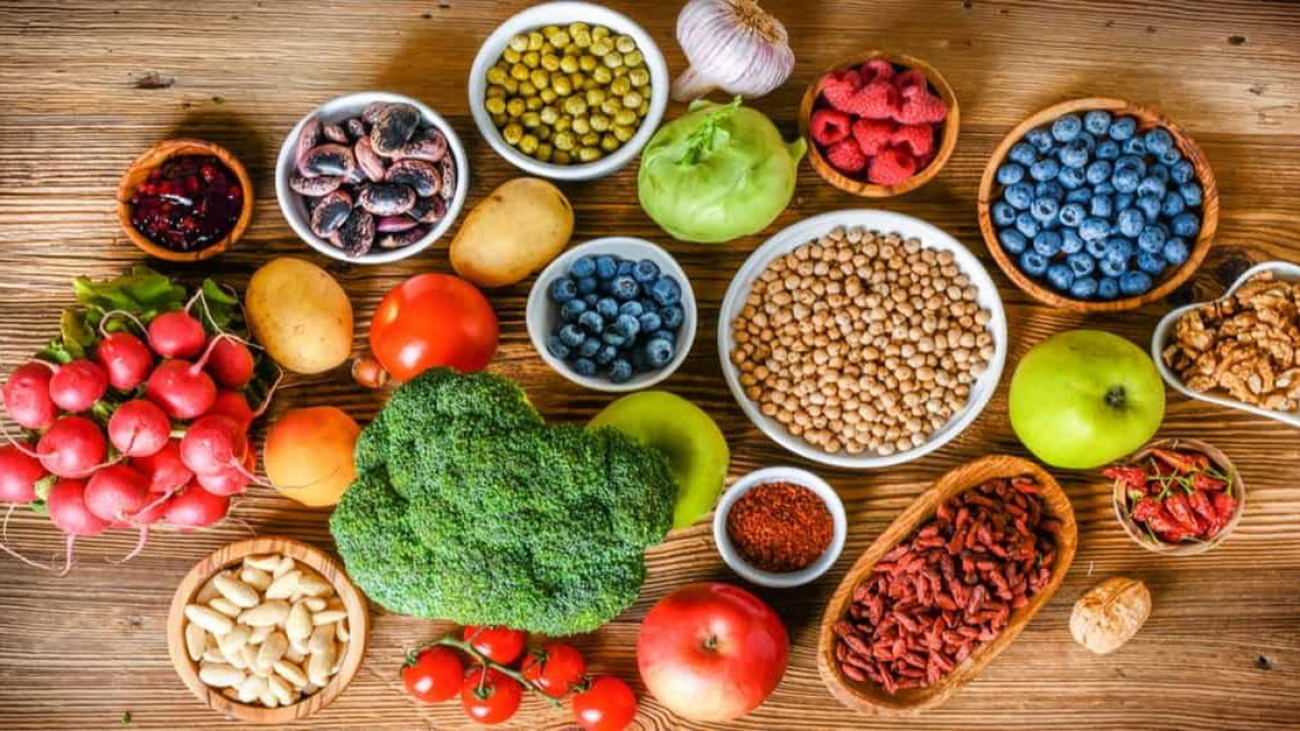
Green indicates foods that are both nutritionally and environmentally beneficial, which included:

  • nuts
  • fruits
  • some seafood
  • whole grains
  • vegetables
  • legumes

Amber indicates either slightly nutritionally or environmentally detrimental foods, such as:

  • most poultry
  • dairy, including milk and yogurt
  • cooked grains
  • egg-based foods
  • cooked grains
  • vegetables from greenhouses

Red indicates foods that have either significant adverse environmental or nutritional impacts, such as:

  • processed meat
  • beef
  • pork
  • lamb
  • sugar-sweetened beverages
  • cheese-based foods
  • some salmon dishes

The researchers found that plant-based foods generally outperform animal products environmentally and health-wise. However, factors, such as water use, might necessitate tradeoffs between healthy foods and those that do not damage the environment.

The researchers note their traffic light system derives from statistical risks on life expectancy according to the average diet, and therefore, by itself, may not reflect individual dietary needs.

“The relative tendencies are likely to be similar across individuals and point at the right decisions,” said Jolliet, ‘But we, of course, cannot predict what will happen for a single individual, considering that these increases in life expectancy are statistical risks that are valid for a large number of persons.”

0 Y6_Aa1noZ_wta2wf

5 reasons to include zobo in your diet

The drink is made from dried Roselle plant flowers called Hibiscus Sabdariffa and it can be taken either sweetened or unsweetened.

Packed with healing plant chemicals such as anthocyanins, polyphenols, and hibiscus acid, it is traditionally used as a cure for ailments such as minor coughs, stomach upset, poor appetite and bacterial or fungal infections.

It is called Sorrel by the Caribbeans, Karkade by Sudanese and Aguas Fercas by the Mexicans.

Often ruby red in colour with a sour-like taste, zobo is refreshing, satisfying and nourishing and you can spice it up by mixing with garlic, ginger, pineapple or any other fruit or flavour of your choice.

Here are five reasons zobo drink is good for your health

Controls diabetes

The drink is known to help control and reduce the risks of diabetes.

People who have diabetes can drink unsweetened zobo as the properties or nutrients contained in the drink is very helpful to them.

Reduces blood pressure

According to a 2010 study published in the Journal of Nutrition, Hibiscus Sabdariffa significantly lowered blood pressure by removing excess fluids and allowing the blood vessels to relax in people suffering from pre- and mild hypertension.

An average Nigerian suffers from high blood pressure and the lack of adequate health care facilities, drinking zobo can help to therefore reduce medical costs and prevent complications such as stroke, heart disease, and even death.

The nutrients such as Vitamin C, calcium, iron etc present in it can aid in boosting the immune system and metabolism.

Supports weight loss

Consuming too much sugar and starchy food can make one gain excess weight. Zobo drink is not only low in sugar but also fats and has high fibre content to aid digestion.

Those who intend to lose some weight can include zobo drink in their regular diet plan without adding sugar.

Boosts eye health

The carotene present in zobo leaves is converted to vitamin A in the body which is essential for healthy eyes. It helps prevent eye defects and aids clear and healthy vision.

Relieves menstrual pain

For women who suffer from menstrual cramps and pain at that time of the month, regular zobo consumption can help reduce the pain.Copyright 2021 TheCable.